Perimenopause is a natural and transformative phase in a woman’s life, typically beginning in the mid-30s to 40s when hormones like estrogen and progesterone start to fluctuate. These shifts can influence everything from energy and mood to sleep, metabolism, and how your body responds to certain foods. You may notice that things that once worked for you – a particular diet, workout, or even your favorite morning coffee – suddenly feel different.
While this stage can feel like unfamiliar territory, it’s also a powerful period of rediscovery, reflection and reconnection. It’s an invitation to listen more deeply to your body, to nurture it with intention, and honor the wisdom that comes with this change.
Rather than resisting these transitions, approaching perimenopause with a holistic mindset – one rooted in nourishment, mindfulness, and self-compassion – can make this season feel more grounded, balanced, and empowering.
Menopause is not a time to “fix” what’s changing, but to support your body as it evolves. Through mindful nutrition, you can nourish your hormones, boost your energy, and cultivate balance on every level – mind, body, and spirit.
In holistic nutrition, we move away from ideas of restriction and control. Instead, the focus is on nourishment with intention, on tuning into what your body truly needs, choosing foods that support rather than stress your system, and finding pleasure in the process of living well. It’s about learning to work with your changing body, not against it.
When you shift your mindset from “What should I cut out?” to “How can I better support myself?”, everything changes – your relationship with food, your hormones, and your overall sense of well-being. This is where we come in!

Understanding Perimenopause and Your Body’s Needs
During perimenopause, your hormones (particularly estrogen and progesterone) begin to ebb and flow in new patterns. These fluctuations can influence many systems in the body, often leading to noticeable shifts such as:
- Hot flashes or night sweats
- Changes in mood or emotional balance
- Sleep disruptions
- Digestive changes or new sensitivities
- Shifts in weight distribution or metabolism
While these experiences can feel frustrating or unfamiliar at first, they’re actually your body’s way of communicating what it needs. Think of it as your body’s personal invitation to slow down, tune in, and support yourself through nourishing foods and mindful habits that help bring you back into balance.
From a holistic nutrition perspective, perimenopause isn’t something to “manage” or “get through,” it’s a time to recalibrate. Your body’s needs are evolving, and by understanding how these hormonal changes affect digestion, energy, and nutrient absorption, you can start to respond in ways that can help you feel more grounded, stable, and vibrant.
In today’s blog, let’s talk about how to create a foundation that supports your hormones naturally through whole foods, balanced blood sugar, hydration, rest, and gentle lifestyle shifts that honour where you are right now.
Nourish with Whole, Hormone-Supportive Foods
Eating with intention can help your hormones stay balanced, your energy steady, and your digestion happy. Aim to include:
- Healthy fats: Avocados, olive oil, walnuts, chia seeds, flaxseeds, fatty fish, pasture-raised eggs, and ghee. Fats are crucial for hormone production, brain function, and satiety.
- Protein: Spread protein across your meals to stabilize blood sugar and support metabolism. Include a mix of plant-based proteins like lentils, chickpeas, organic tofu or tempeh, nuts, and seeds, and animal-based proteins like eggs, fish, poultry, and lean meats if they align with your body and lifestyle.
- Fibre-rich foods: Vegetables, fruits, whole grains, beans, and seeds help regulate digestion, balance blood sugar, and support gut health, which is key for hormone metabolism.
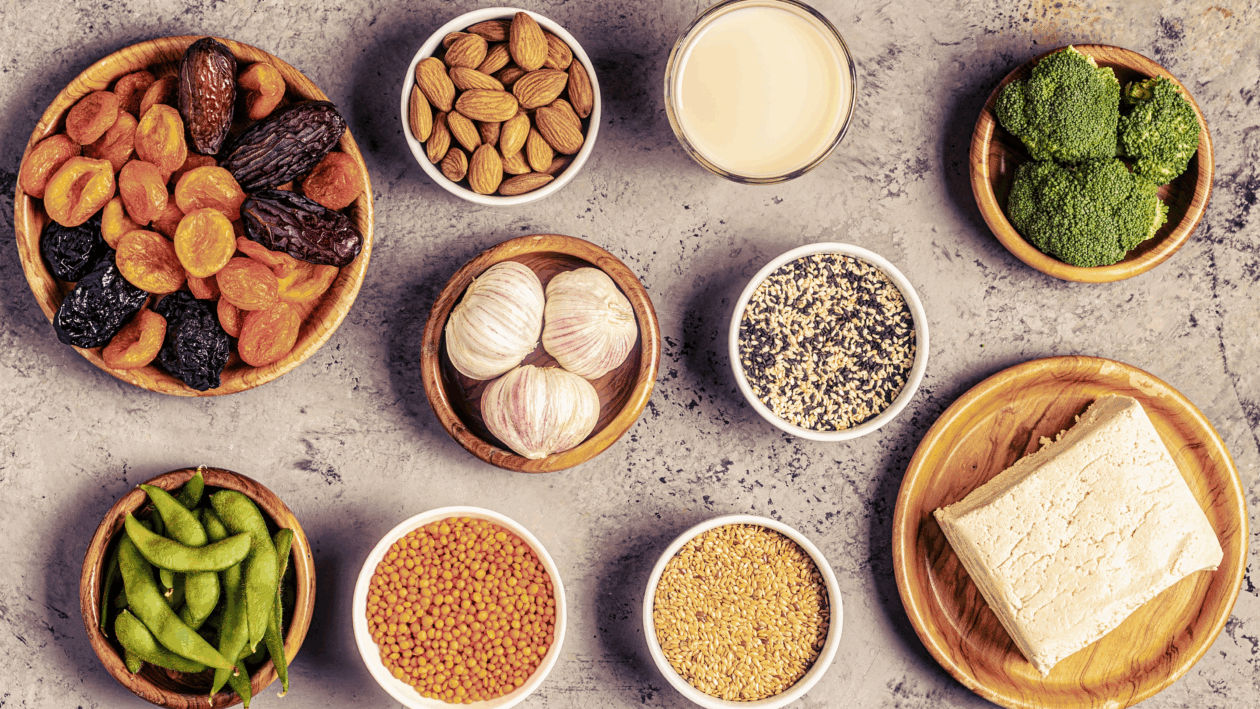
Phytoestrogens: Plant compounds that can gently support estrogen levels, found in flaxseeds, lentils, chickpeas, soy, and sesame seeds. While they aren’t the cornerstone of hormone health, including phytoestrogen-rich foods as part of a varied, nutrient-dense diet can provide gentle support, particularly for women navigating perimenopause. They also come packed with fiber, protein, and antioxidants, making them a wholesome addition to your meals. Aim for variety rather than large amounts of any one phytoestrogen source, as your body thrives best on diversity of both nutrients and plant fibers.
Micronutrients: Focus on calcium (leafy greens, almonds, sesame seeds, tahini, sardines with bones.), magnesium (nuts, seeds, dark chocolate), and B vitamins (whole grains, legumes, leafy greens) to support energy, sleep, and mood.
Tip: Think of your plate like a paint palette. Include a rainbow of colorful vegetables, high-quality proteins, and healthy fats at each meal to support balanced hormones naturally.
Balance Blood Sugar for Energy and Hormone Stability
Fluctuating blood sugar can exacerbate mood swings, cravings, and energy dips during perimenopause. Try these strategies:
- Eat protein and fat with every meal and snack to slow digestion and prevent spikes in blood sugar (For example: Instead of just eating an apple, have an apple with a piece of cheese, or a handful of almonds).
- Include fiber-rich foods like vegetables, beans, and seeds to stabilize glucose.
- Limit highly processed sugars and refined carbs, but don’t fear natural indulgences! Focus on balance, not restriction.
- Consider smaller, more frequent meals if it helps you maintain steadier energy throughout the day.
Hydrate for Digestion, Detoxification, and Metabolism
- Adequate hydration is essential for digestion, detoxification, and supporting metabolism – all of which are closely linked to hormone balance.
- Support electrolytes naturally: A small pinch of high-quality sea salt under the tongue or added to water can help maintain mineral balance, support hydration, and aid digestion.
- Aim for at least 6-8 cups of water daily. More if you’re active!
- Herbal teas like chamomile, peppermint, or rooibos can hydrate while also helping to soothe digestion and support relaxation.
- Include water-rich foods like cucumbers, leafy greens, melons, and citrus for an extra hydration boost.

Tip: Keep a glass or bottle of water nearby and sip mindfully throughout the day rather than chugging large amounts at once.
Prioritize Rest and Sleep
While it’s common to stay up late to “burn the midnight oil” or enjoy the quiet when the rest of the home sleeps, rest is one of the most foundational components to hormone regulation during perimenopause. Poor or inconsistent sleep can worsen mood swings, appetite changes, and stress hormone imbalances.
- Aim for 7-9 hours of restorative sleep per night.
- Establish a consistent bedtime routine: Dim lights, limit screens after dark, and create a calm environment. Keeping the room slightly cool and completely dark can also help signal to your body that it’s time to wind down.
- Gentle evening rituals: Stretching, meditation, journaling, or sipping tart cherry juice, which contains natural melatonin precursors that can notably support sleep onset and quality.
- Magnesium support: Taking a magnesium supplement, or using magnesium lotion or spray before bed can help relax muscles, calm the nervous system, and promote deeper rest.
- Night sweat adjustments: Lightweight bedding, breathable fabrics, and room temperature tweaks can reduce sleep interruptions.

Tip: Combining these strategies (a calm environment, supportive nutrients, and gentle rituals) can help to create a foundation for more consistent, restorative sleep through the long term, which is essential for balancing hormones and supporting overall well-being. Make your sleep routine a habit that sticks, and your future self will thank you!
Gentle Lifestyle Shifts That Support Hormones
Lifestyle choices play a powerful role in supporting hormone balance. Even small, intentional adjustments can make a meaningful difference over time! Here are a few areas we feel are most important to focus:
- Move your body: Strength training, yoga, walking, dancing, or other forms of movement help maintain muscle mass, support metabolism, reduce stress, and boost overall energy. Choose the activities you actually enjoy, because consistency matters much more than intensity when it comes to movement.
- Manage stress mindfully: Chronic stress elevates cortisol, which can disrupt estrogen and progesterone balance. Practices like meditation, deep breathing, EFT tapping, or journaling can be effective, but the key is finding what truly works for you. Even brief daily pauses to check in with yourself can make a huge difference!
- Tune into your body: Pay attention to which foods, exercises, and routines leave you feeling energized versus depleted. In this season of life, your body’s signals and intuition are particularly strong – trust them to guide your choices.
- Embrace pleasure: Eating should be both nourishing and enjoyable. Honor cravings occasionally, savor your meals, and prioritize the foods that satisfy both your body and your mind. Pleasure and nourishment are not mutually exclusive – In fact, they go hand in hand.
Tip: Incorporating these gentle shifts gradually (rather than overhauling everything at once) can help you in developing sustainable habits that support your hormones, energy, and overall well-being.
Putting It All Together
Here’s an example of a hormone-supportive day of eating and living mindfully:
- Breakfast: Overnight oats with chia seeds, almond butter, and fresh berries
- Snack: Handful of walnuts and an apple
- Lunch: Quinoa and lentil salad with roasted vegetables and olive oil drizzle
- Snack: Carrot sticks with hummus and almonds
- Dinner: Baked salmon with steamed broccoli and roasted sweet potato
- Evening: Chamomile tea and 10 minutes of journaling or gentle stretching
Add in hydration throughout the day, movement you enjoy, and mindful pauses to check in with your body. These small but consistent habits will help you to develop a foundation of balance, nourishment, and empowerment that will follow you through midlife and beyond.
Final Thoughts
Remember: Perimenopause is a natural, evolving phase – not a problem to be fixed. It’s a season where following your intuition, listening to your body, nourishing it with intention, and embracing this time of life with curiosity and self-compassion become non-negotiables.
When you adopt a holistic, mindful approach to nutrition and lifestyle through this tremendous, beautiful life change, you can honor your body, support your hormones, and maintain energy, balance, and well-being.