Most people think of cleaning as something that’s solely visual. If the counters look clear and the floors look clean, the job is done, but cleaning products can often leave chemical residues behind, fragrances linger in the air, and the surfaces we prepare food on are often wiped down with chemicals that are not safe to ingest.
At NutraPhoria, we teach that health is cumulative. The body responds not only to our diet and the way we handle stress, but also to repeated environmental exposures, including the products we use to clean our homes every day.
This isn’t shared to induce fear. Our goal is to help you reduce unnecessary chemical load in your environment where it’s easiest to do so, and the good news is, effective cleaning does not require a cabinet full of specialized products. In fact, a handful of affordable everyday ingredients can handle just about everything!
The Core Ingredients:
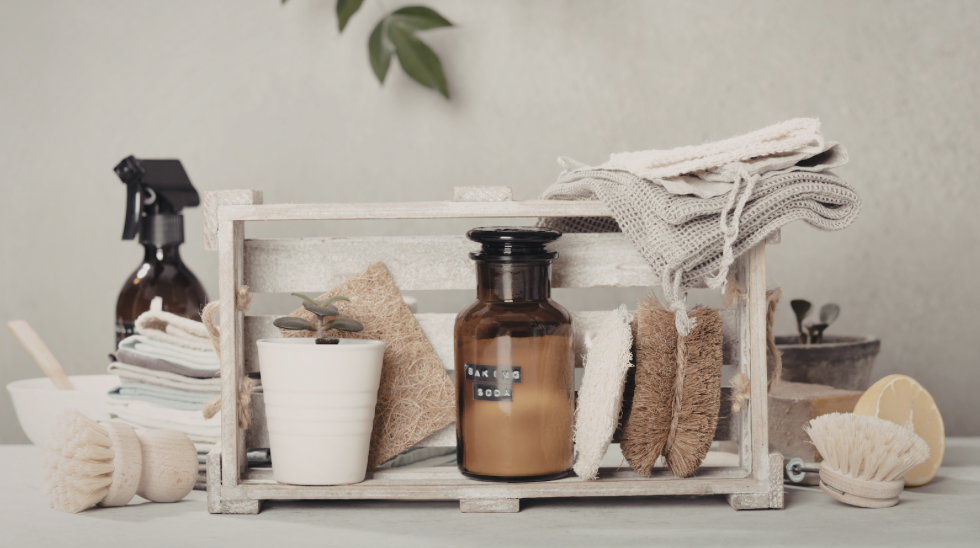
If you keep these 8 basic ingredients on hand, you can make everything in this guide:
- White vinegar
- Baking soda
- Liquid castile soap
- 70% isopropyl alcohol
- Distilled water
- Lemon juice
- Olive oil
- Coarse salt
Now, let’s get into the recipes.
10 Natural Cleaning Recipes That Actually Work
- All-Purpose Spray
- 2 cups water
- 1 cup vinegar
- 5 drops tea tree or lemon essential oil (optional)
Combine everything in a glass spray bottle, then shake to mix. Spray the surfaces, then let them sit for 1 minute before wiping.
- Disinfecting Spray
- 1 cup 70% isopropyl alcohol
- 1 cup water
- 5-10 drops eucalyptus or tea tree essential oil (optional)
Spray and let sit for at least 30 seconds before wiping. Best for things like doorknobs, light switches and phones.
- Oven Cleaner
- Baking soda
- Water
Sprinkle baking soda over the grimy spots in your oven to completely coat them. Spray water on top to make a paste, and let it sit for 1 hour before scrubbing clean. To remove any excess baking soda, simply use a damp cloth to wipe, then rinse and wring it out as needed.
- Window Cleaner
- 1 ½ teaspoons liquid castile soap
- ½ cup vinegar
- 3 cups water
Combine everything in a glass spray bottle and shake well before each use.
- Toilet Pods
- 1 cup baking soda
- ¼ cup citric acid
- ½ tablespoon liquid castile soap
- 20 drops lemon essential oil (optional)
Combine everything well, then pack the mixture in a silicone mould and allow it to dry for at least 4 hours before removing. If the mixture expands above the mould, firmly press it back down. Once dry, remove the pods and store them in an airtight container in your bathroom. To use, simply drop a pod in the toilet, wait until it stops bubbling, and scrub as usual.
- Shiny Floors
- 1 gallon hot water
- ¼ cup vinegar
- 10-20 drops wild orange essential oil (optional)
Combine all ingredients in a bucket and mop as usual.
- Drain Cleaner
- ½ cup baking soda
- 1 cup vinegar
Pour baking soda into your clogged drain, then pour vinegar over the top. Allow the mixture to sit in the drain for 1 hour, then rinse thoroughly with hot water.
Tip: Recycle an old reusable plastic cup to use as a “plunger” in your sink as needed.
- Tub Scrub
- 1 cup baking soda
- 4 tablespoons liquid castile soap
Combine castile soap and baking soda to make a gritty bathtub scrub. Scoop the mixture onto a sponge and scrub as usual.
Tip: Add a few drops of tea tree essential oil to any bathroom cleaner to help prevent mould.
- Liquid Laundry Detergent
- 1 cup liquid castile soap
- 1 cup baking soda
- ⅓ cup coarse salt
- 7 litres of hot water
Whisk everything together carefully in a large bucket, then portion into containers. Shake well before each use.
- Furniture Polish
- 2 tablespoons olive oil
Dab a rag in olive oil and rub onto wood surfaces or scratches, moving with the grain for best results.
A Few Important Considerations
There is no need to overhaul your home in a single weekend. The body responds to even the most basic shifts, so take it one product at a time!
We suggest beginning with the products you use most frequently. Think daily counter sprays, bathroom cleaners, or laundry detergents. These repeated exposures matter more than the bottle you reach for twice a year!
Fragrance is often one of the simplest places to reduce load, yet it can have such a massive impact on our immune and hormonal health. Synthetic fragrances contribute to indoor air pollution and linger long after your cleaning is done. “Fresh” does not need to be perfumed!
Ventilation is another underrated intervention. Opening windows (even briefly in the colder months) supports air exchange and reduces the concentration of airborne compounds inside the home, while also allowing the outdoor environment’s microbiome in. This carries benefit, as indoor air can often be far more polluted than outdoor air.
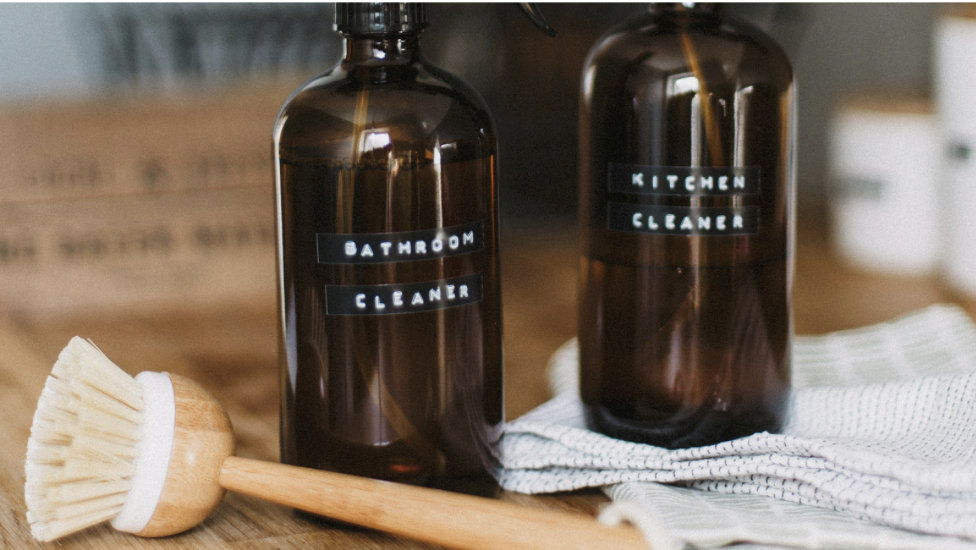
If you’re preparing your own cleaners at home, label them clearly and store them just as you would any conventional cleaning product. Natural does not automatically mean harmless. This is especially important when using essential oils, as some are not safe for ingestion and may not be appropriate around young children or pets.
Low-tox living does not have to be an all-or-nothing philosophy. When environmental exposures are reduced consistently over time, the overall burden on the body can still shift in a meaningful, positive way.
Final Thoughts
Cleaning products are something we are likely exposed to on a daily basis inside our homes, and many of the most popular conventional products contain compounds that contribute to indoor air pollution and surface residue.
While the body is resilient, reducing unnecessary exposures can support a healthier overall physiological load – particularly when combined with nutrition, sleep, and stress management.If you’re interested in learning more about how environment, physiology, and lifestyle intersect – and how to apply that knowledge professionally – you can explore our accredited, 100% online programs by clicking here.
And for those looking to deepen their expertise even further, our Aromatherapy Practitioner Specialization Course offers evidence-informed training in the safe and effective use of essential oils, allowing you to integrate plant-based sensory support into your wellness practice with confidence.